CTV
Introduction
CTV, Canada’s leading primetime network for over 22 years, offers a robust slate of hit series and beloved classics. Comparable to U.S. giants like CBS, CTV delivers trusted news, compelling entertainment, and live events that engage and connect audiences nationwide. With a diverse portfolio of networks under its umbrella, CTV set its sights on expanding its digital footprint—aiming to enhance its streaming presence and meet evolving viewer expectations in the online entertainment landscape.

W3 Silver for Television Website
The Problem
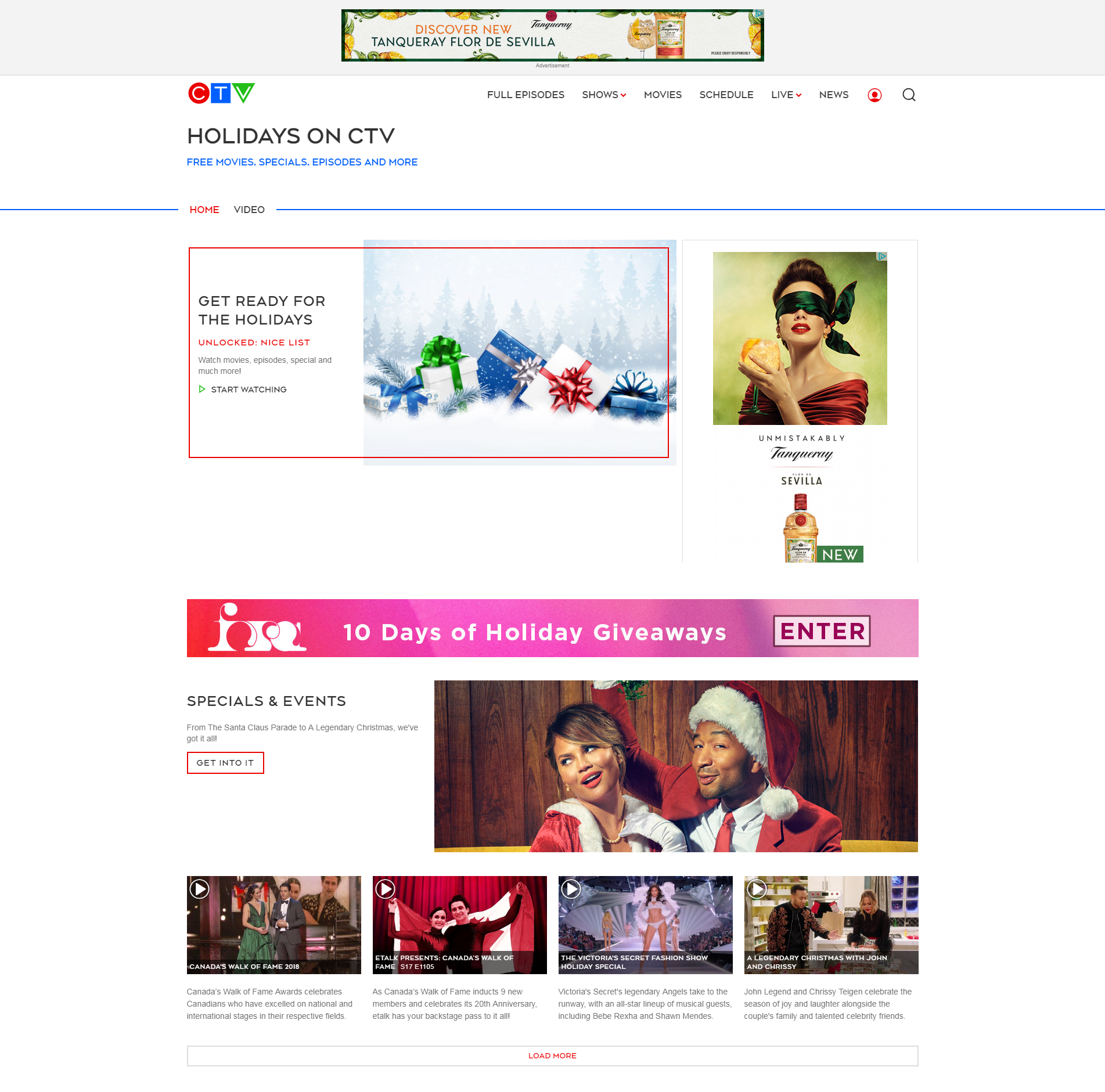
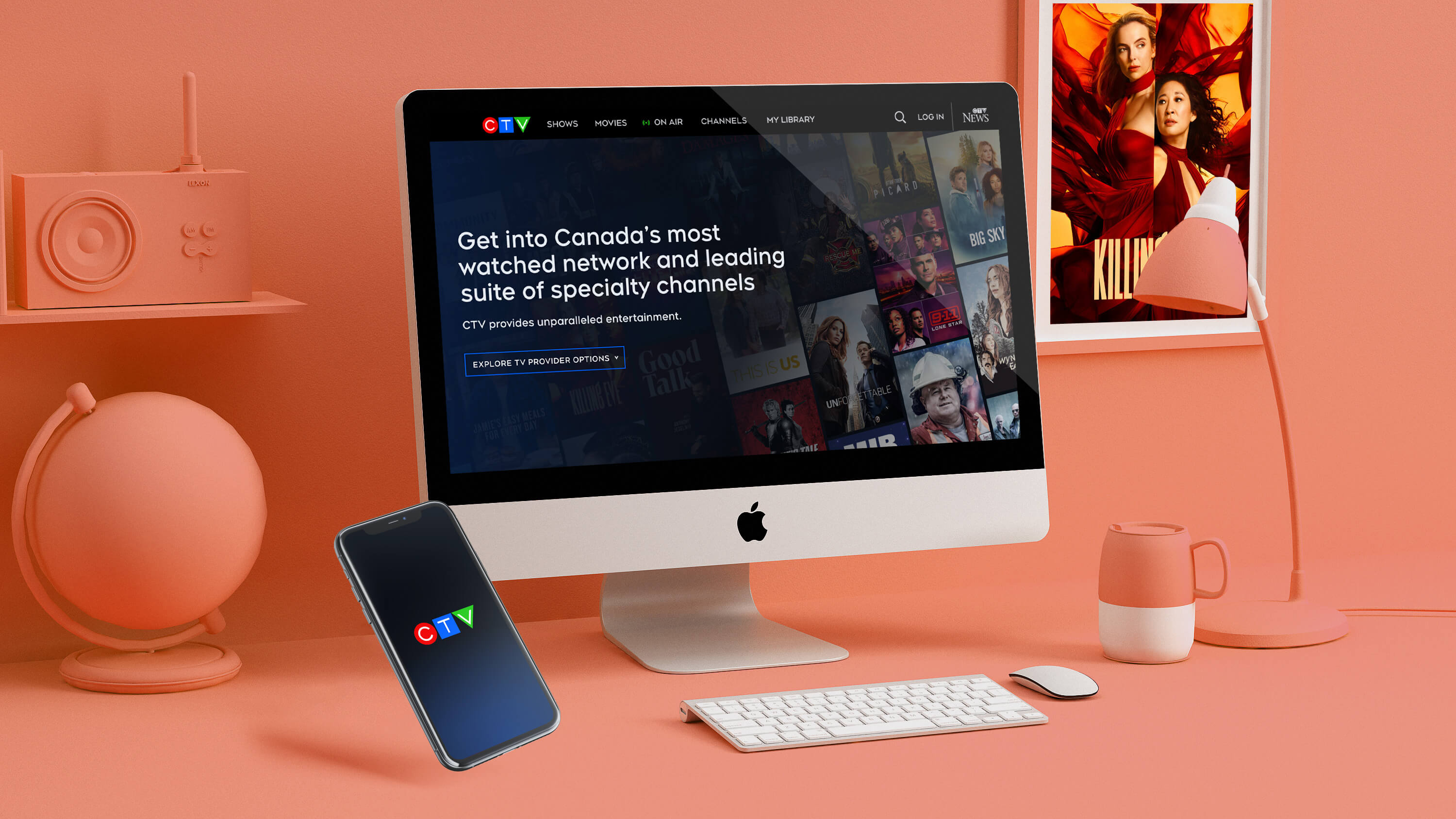
At the time, CTV still operated under the longstanding assumption that web and streaming were secondary to traditional cable TV—the core of its business for decades. Leadership viewed the website primarily as a hub for supplementary content like articles, contests, and event schedules, rather than as a true destination for video consumption.
But the media landscape was shifting rapidly, and it was clear that CTV needed a paradigm shift. After years of deprioritizing user feedback and digital video, the brand had lost touch with what audiences valued most: the content itself. The challenge ahead was clear—how do we bring users back into the CTV ecosystem and re-center the experience around video, where it truly belongs?
My Role & Goals

UI Lead
Lead UI, product vision

Holistic Design
Marry UX research with UI deliverable

12 mo.
Nov 2020 - Apr 2022

13%
Increase online traffic
Being Truly User Centric
To better understand CTV’s audience, I partnered with the UX team to conduct surveys and moderated user studies that uncovered key user needs and behaviors. One survey, live for five days, drew 3,026 responses—64% female and 26% male—providing a strong data set to analyze. Our goal was to answer foundational questions like:
- Who are our users?
- What motivates our users to watch?
- How much content do users watch on CTV?
These insights would lay the groundwork for redefining CTV’s digital experience around real audience expectations.
Who are they?
12%
Age 18-26
25%
Age 51-60
21%
Age 27-40
18%
Age 61-70
20%
Age 41-50
4%
Age 70+
What do they
want?




Why do they
visit?
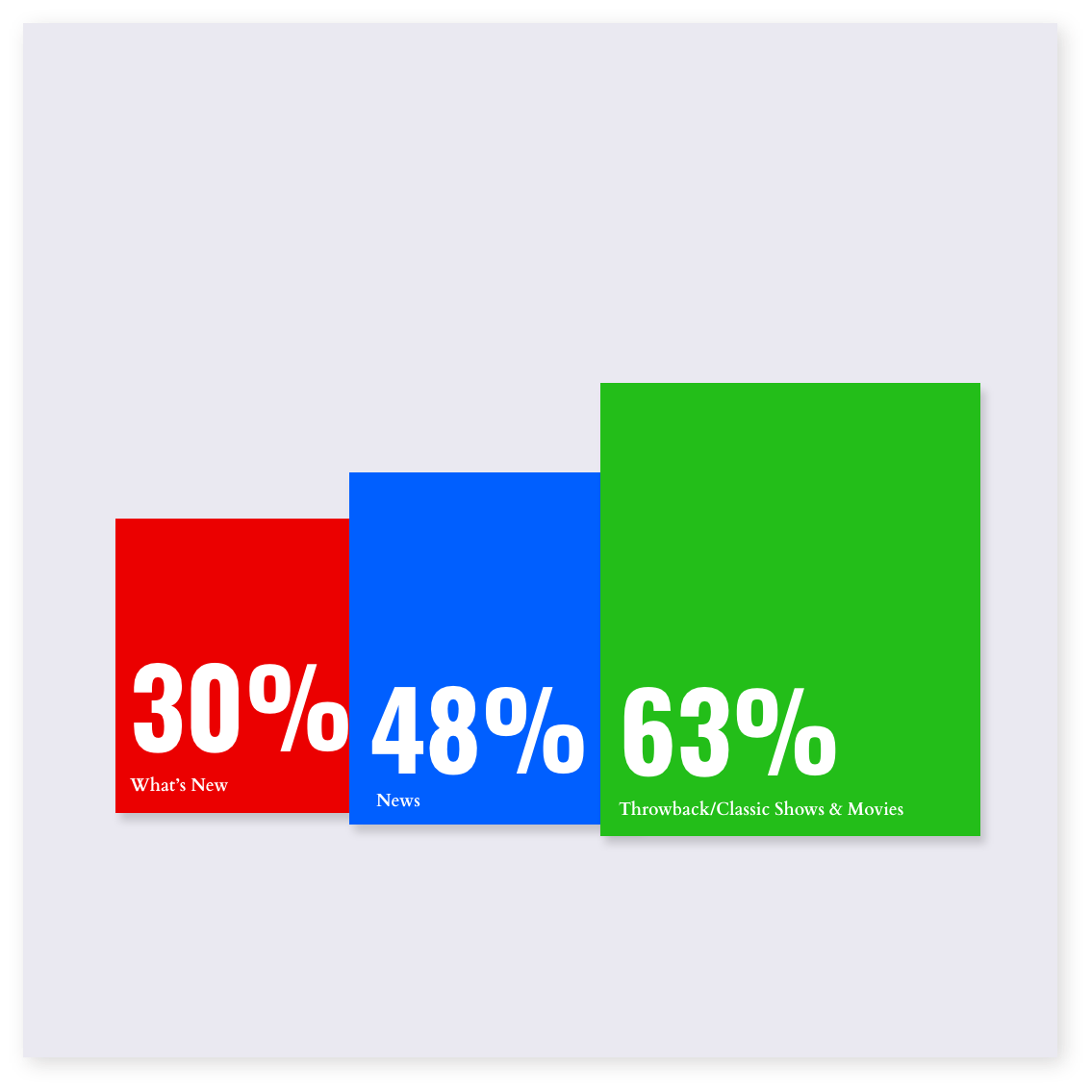
Hot New Shows
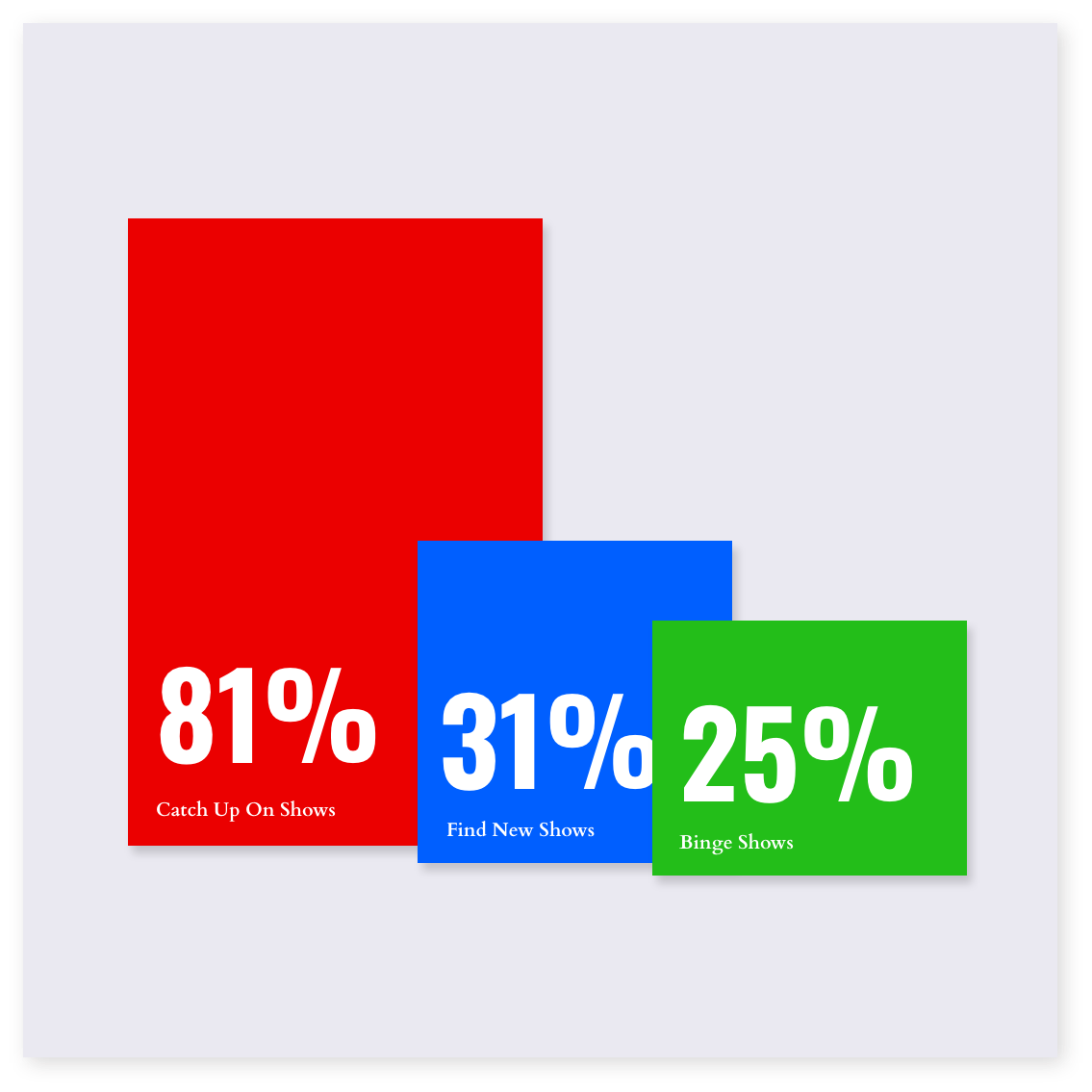
CTV users primarily sought out new, buzzworthy shows that aligned with current pop culture trends. Many viewers treated CTV as a companion while multitasking—during activities like crafting, working, or eating.
Comfort Shows
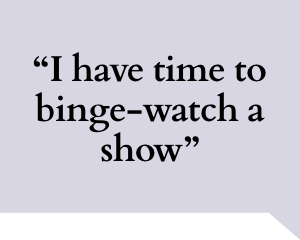
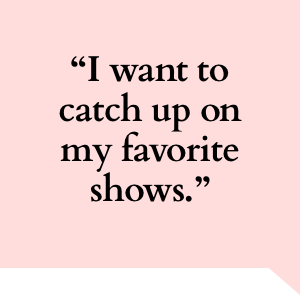
Some users prefer using the platform to catch up on their favorite series, seeking uninterrupted time to fully engage with the content. While weekly new releases are appealing, free Throwback or Classic content remains a popular choice for binge-watchers—often driven by familiarity or word-of-mouth recommendations from friends and family.
Power of Gratification
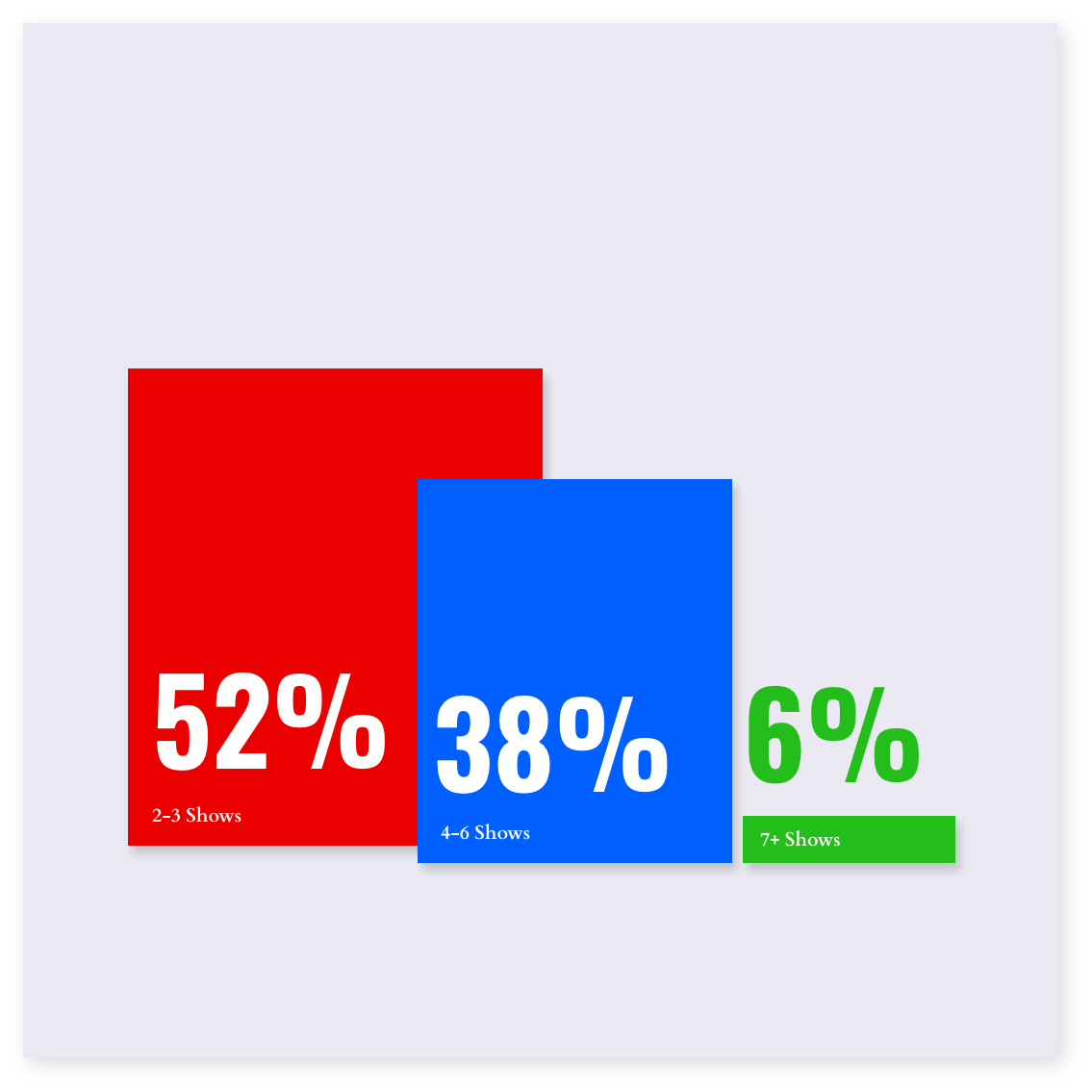
Our research revealed that users often engage in periodic binge-watching sessions, viewing 2 to 6 episodes in one sitting, with total watch time ranging from 1 to 6 hours of continuous content.
Key Takeaways
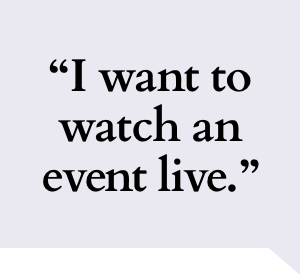
Video was the main draw for CTV visitors, with users primarily coming to explore and watch content. Live TV and schedule access were far more important than reading articles or entering contests—particularly for users under 50, who visited the site mainly for free video content. Schedules proved especially valuable to those tuning in to Live TV.
Designing for Ease of Use & Inclusivity
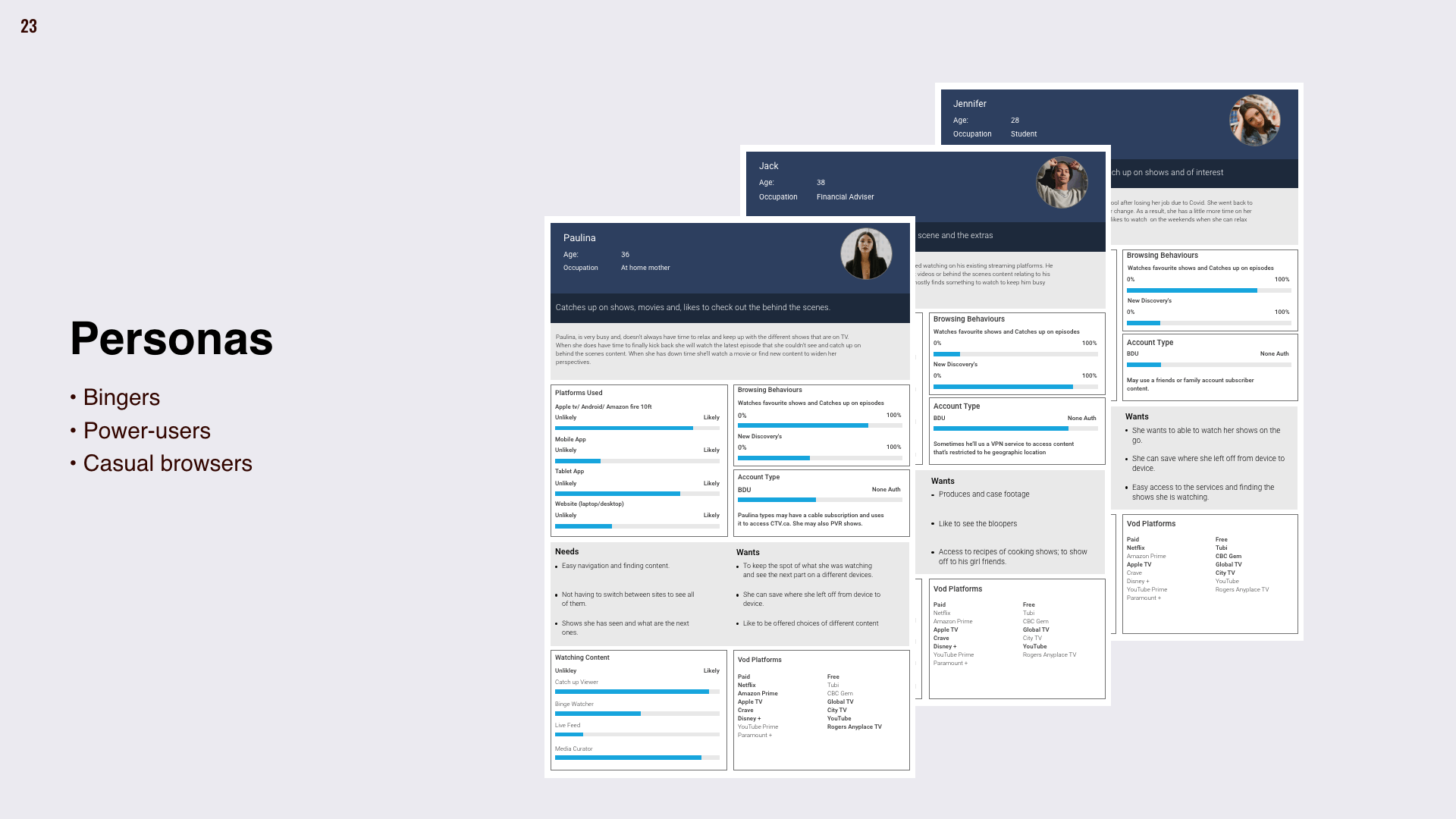
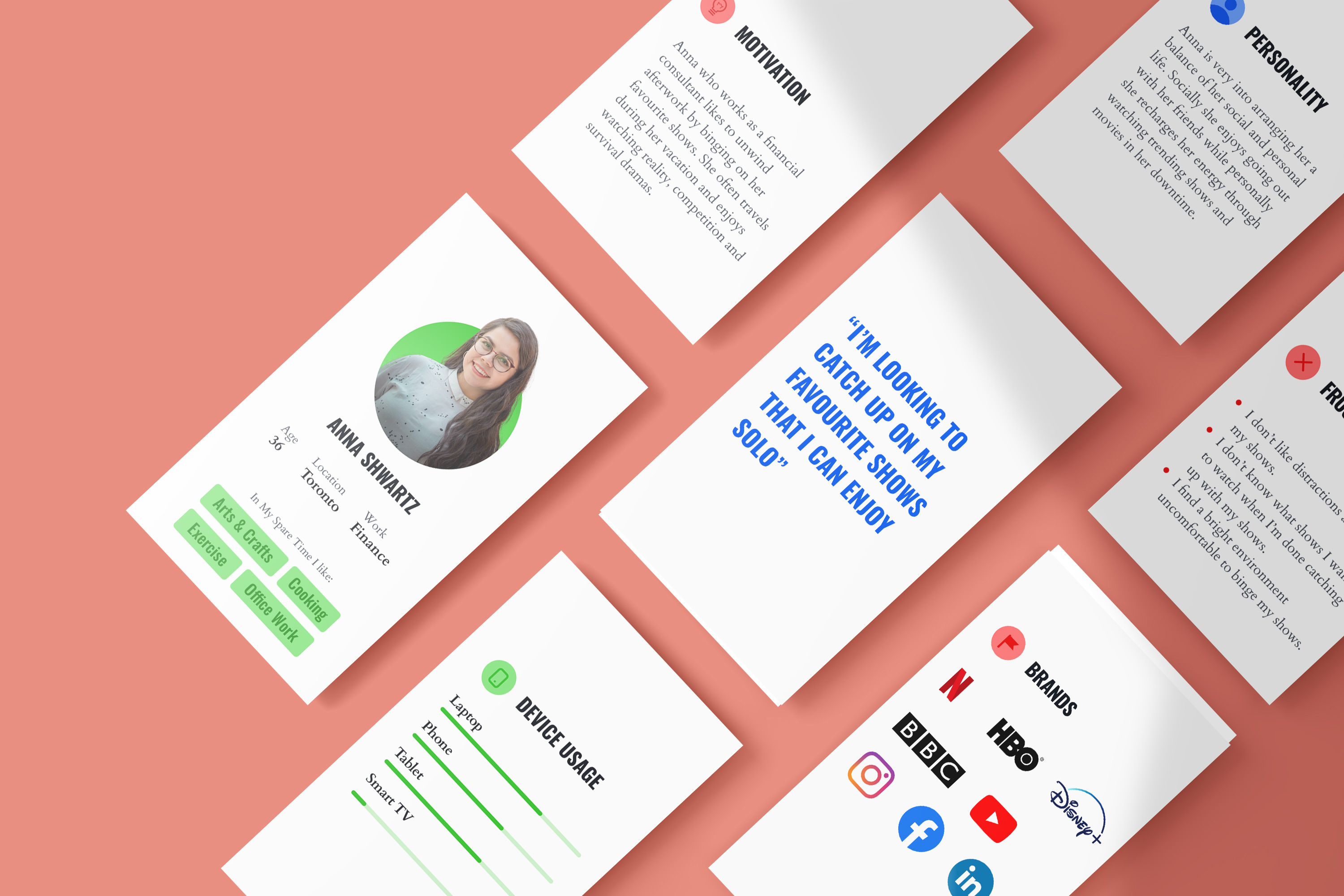
The UI/UX team collaborated to develop a core persona based on behavioral patterns from the survey. We hypothesized that users sought quick, digestible video content that highlighted the latest shows while also making it easy to discover a broad library of past content.
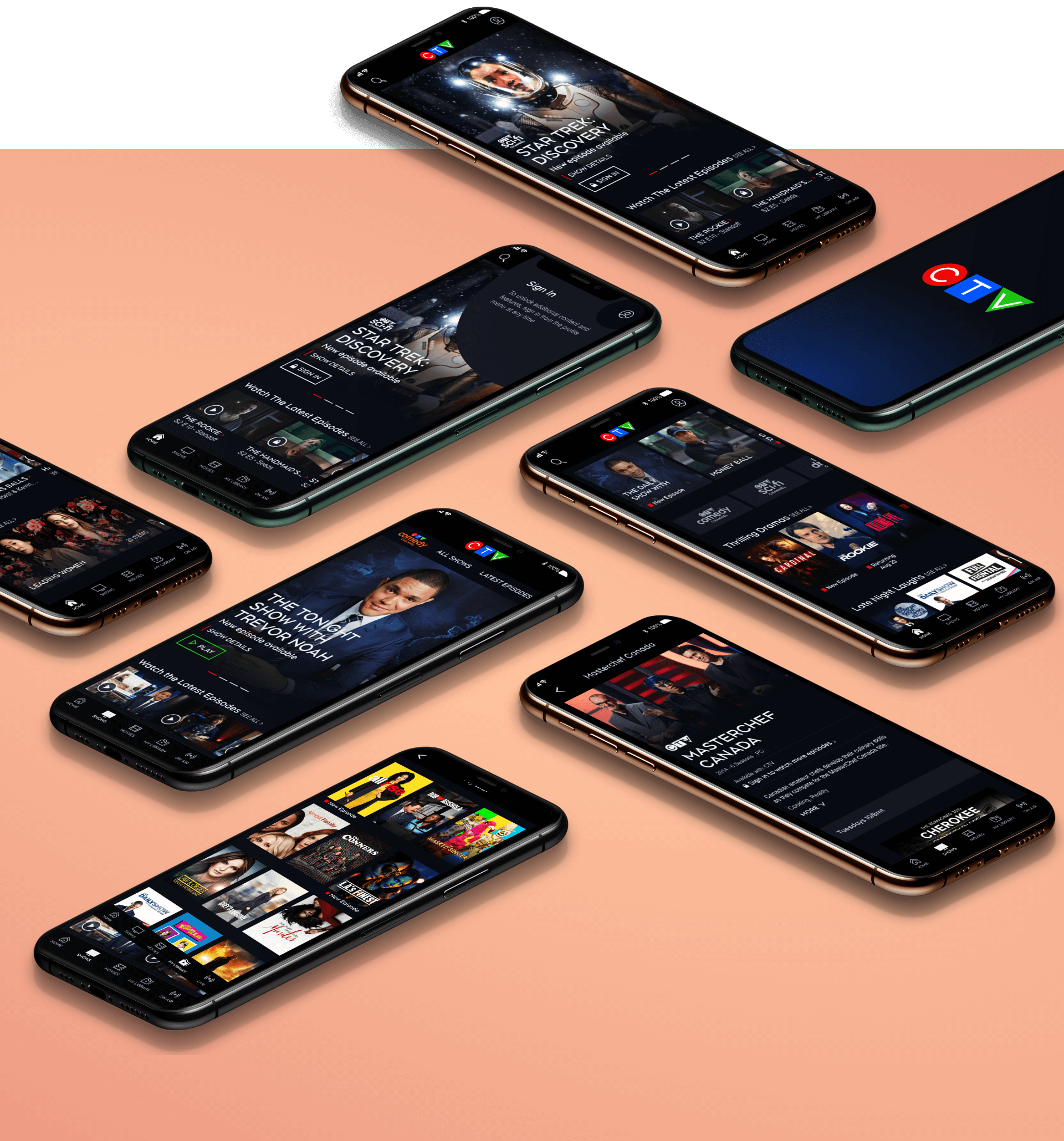
I designed solutions that put video content front and center, emphasized easily scannable titles, concise show descriptions, and SEO-optimized pages to drive fast, efficient traffic to the site. Using the a black & white wireframing approach, we critically examined the information hierarchy that was most optimal for an immersive viewing pattern.
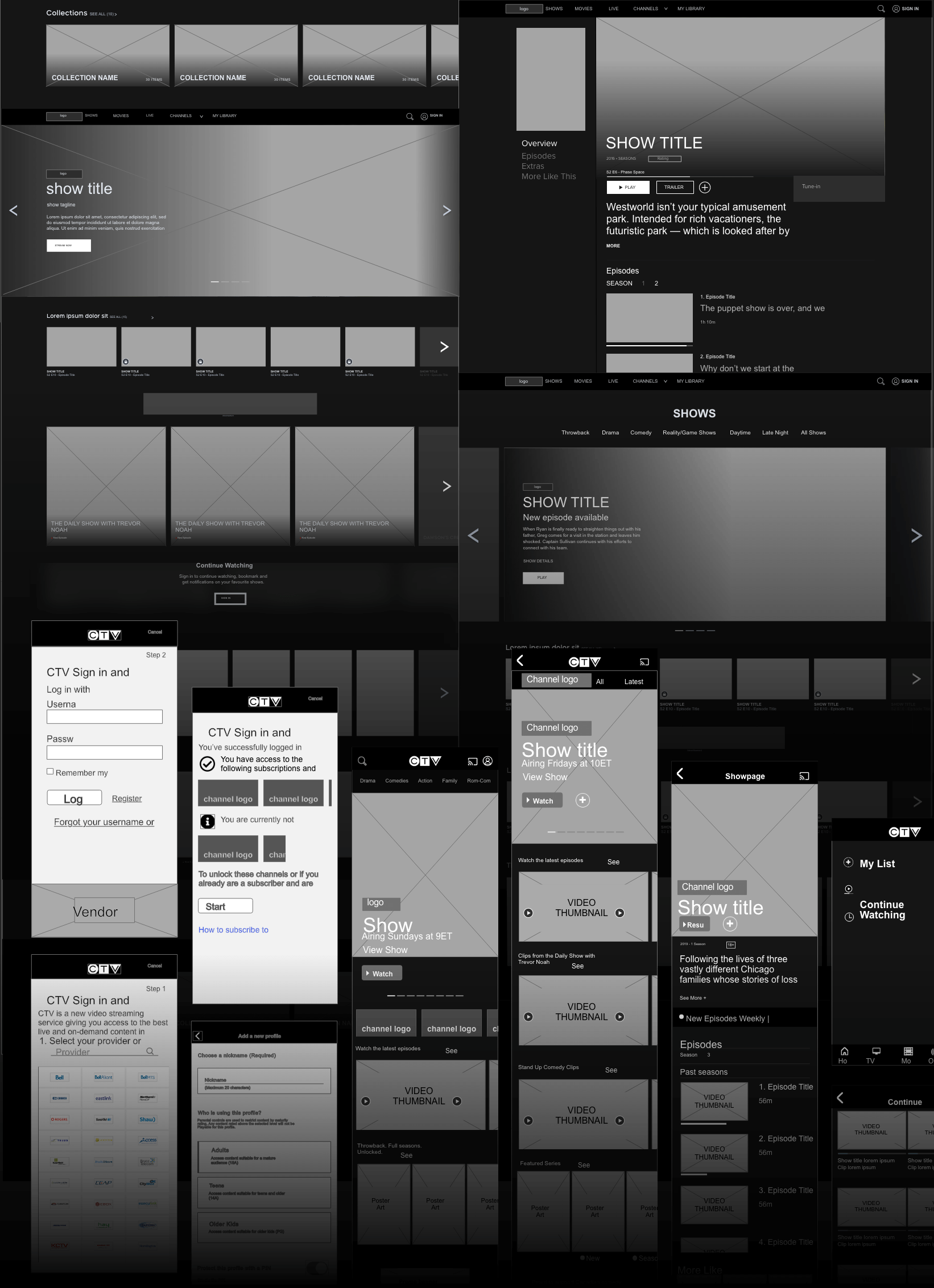
We forgo solutions such as light boxes or layovers in favor of in-page layout for SEO-friendly, accessible solutions. This significantly improved our accessibility score from Qualtrics from 54% to 86% on average.
Thinking About Comfort: Light vs Dark Mode
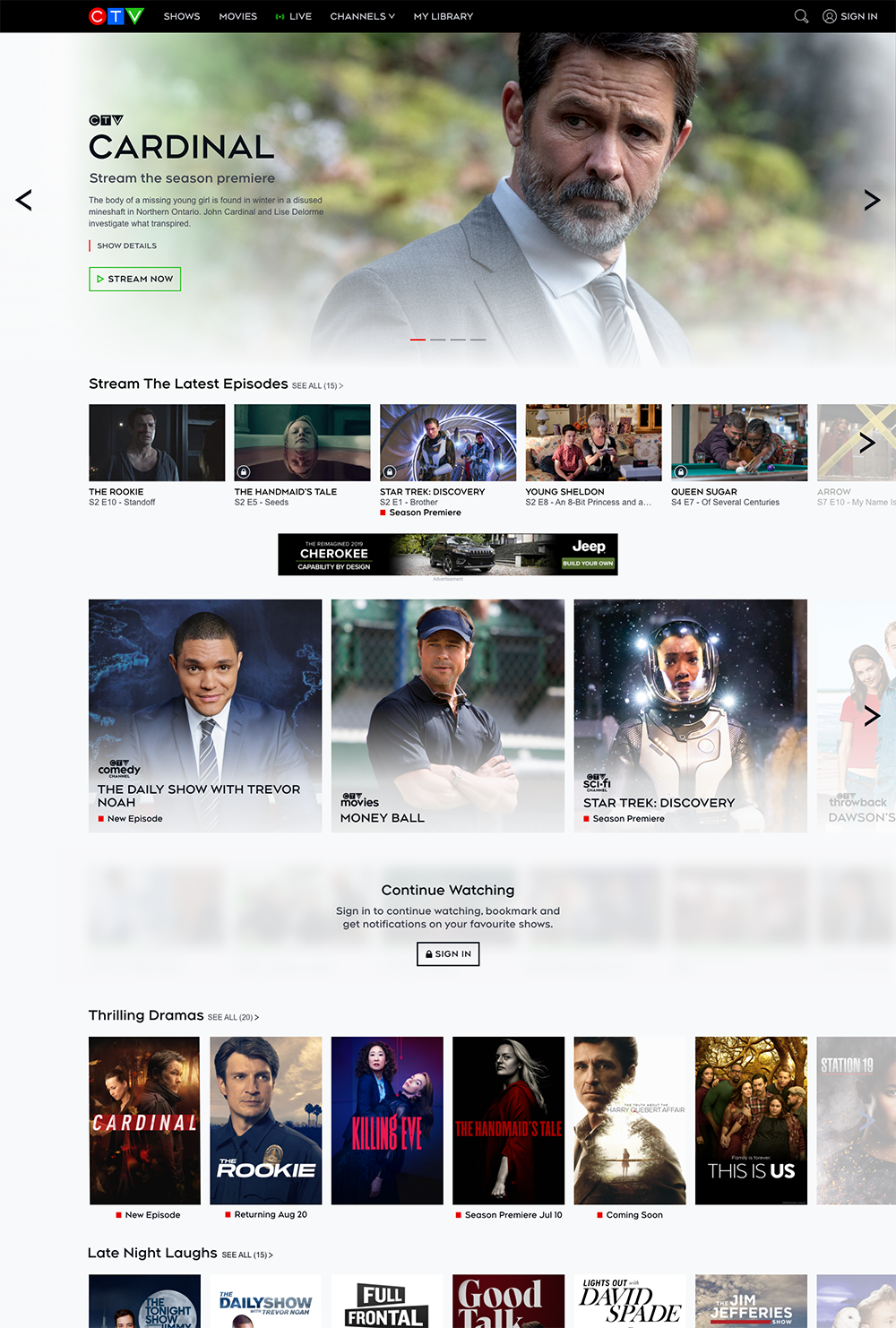
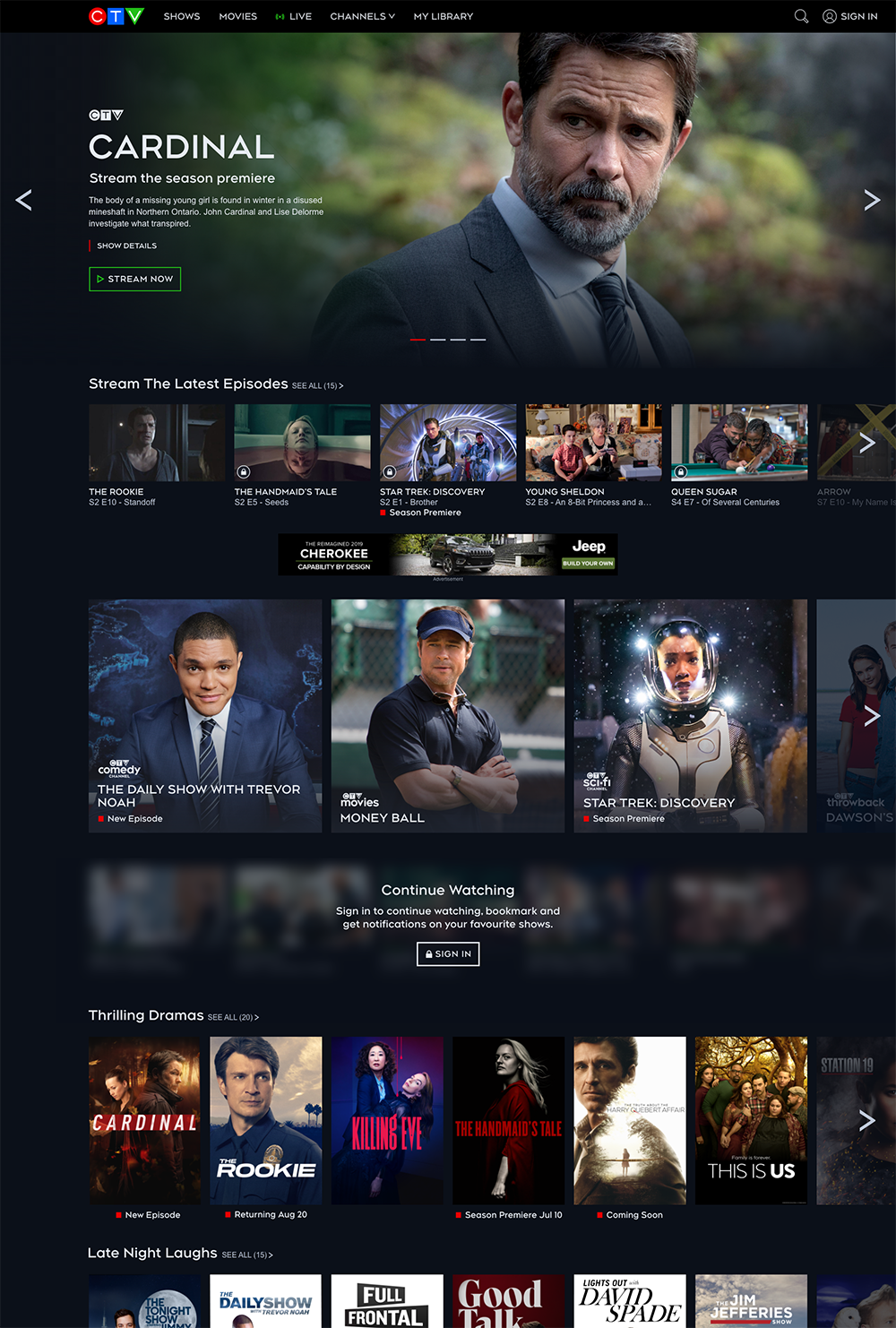
In an example of design-phase usability testing, I wanted to find out what environment best suited users while binging. 95% of users preferred a dark "theatre mode" as they browsed or watched. This insight revealed to leadership that sticking to the previous light, reading-focused CTV brand environment could subconsciously disrupt the viewing experience.
Reduce Cognitive Load
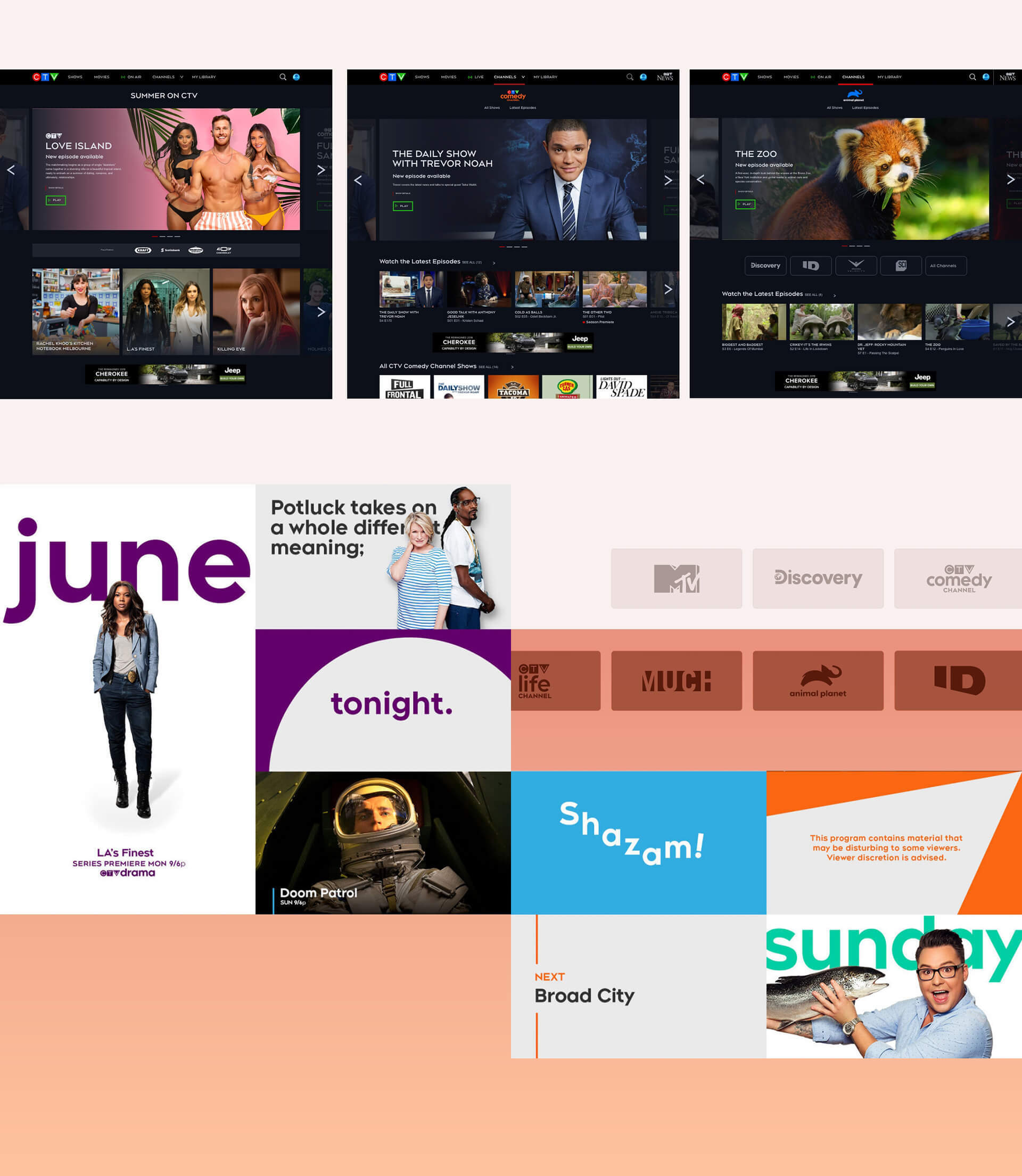
From a business perspective, showcasing more shows increased content visibility and potential engagement. However, surveys revealed that 85% of users felt overwhelmed by too much content. To address this, the UI team iterated on designs to create a hierarchy of visual components that balanced between maximizing exposure while keeping the experience user-friendly.
We created:
- LG carousel rotators — to highlight fresh new shows
- 1x1 Cards — for secondary promotions
- Chiclets — for channel visibility
- Poster blocks — for individual show content
Conclusion
With a clearer focus on users’ preference to watch rather than read, the team transformed CTV into a video-centric platform, boosting usability scores by 23% and SUS scores by 20%. Since the MVP launch across web and apps, CTV has attracted over 15 million weekly Canadian viewers. The new digital experience outpaced other video-on-demand competitors by 40% during primetime, securing its position as Canada’s #1 video streaming service.