FNPTT
Introduction
FirstNet® Push-to-Talk (FNPTT) is a collaborative project between AT&T, FirstNet, and Samsung designed to deliver a robust mobile communication solution for first responders. By seamlessly bridging traditional Land Mobile Radio (LMR) systems with high-quality mobile streaming video, messaging, and location sharing, FNPTT enhances coordination during critical missions. The platform prioritizes emergency responder networks during joint operations by maximizing service availability and minimizing network congestion. With a suite of encrypted media communication tools, FNPTT enables departments to rapidly share information across large mutual aid groups while maintaining clear, transparent oversight.
The Problem
FNPTT aims to expand its user base from states like Arizona to nationwide adoption across the US. However, when I spoke with AT&T stakeholders, a critical issue surfaced: the team lacked clear visibility into the product’s current status, core values, and key selling points. There was no consolidated access to quantitative data, success metrics, or a defined vision. While FNPTT’s development was largely driven by first responder (FR) technical requirements, it lacked a solid understanding of actual user needs.
Without a clear grasp of its value proposition, user pain points, and competitive position, FNPTT was essentially operating in a vacuum. This raised the fundamental question: how do we build effectively moving forward?
My Role & Goals

UX Manager
Lead a team of 3 UX designers

Growth Hacking
Research and roadmap from a HCI POV

12 mo.
Aug 2022 - Aug 2023

13%
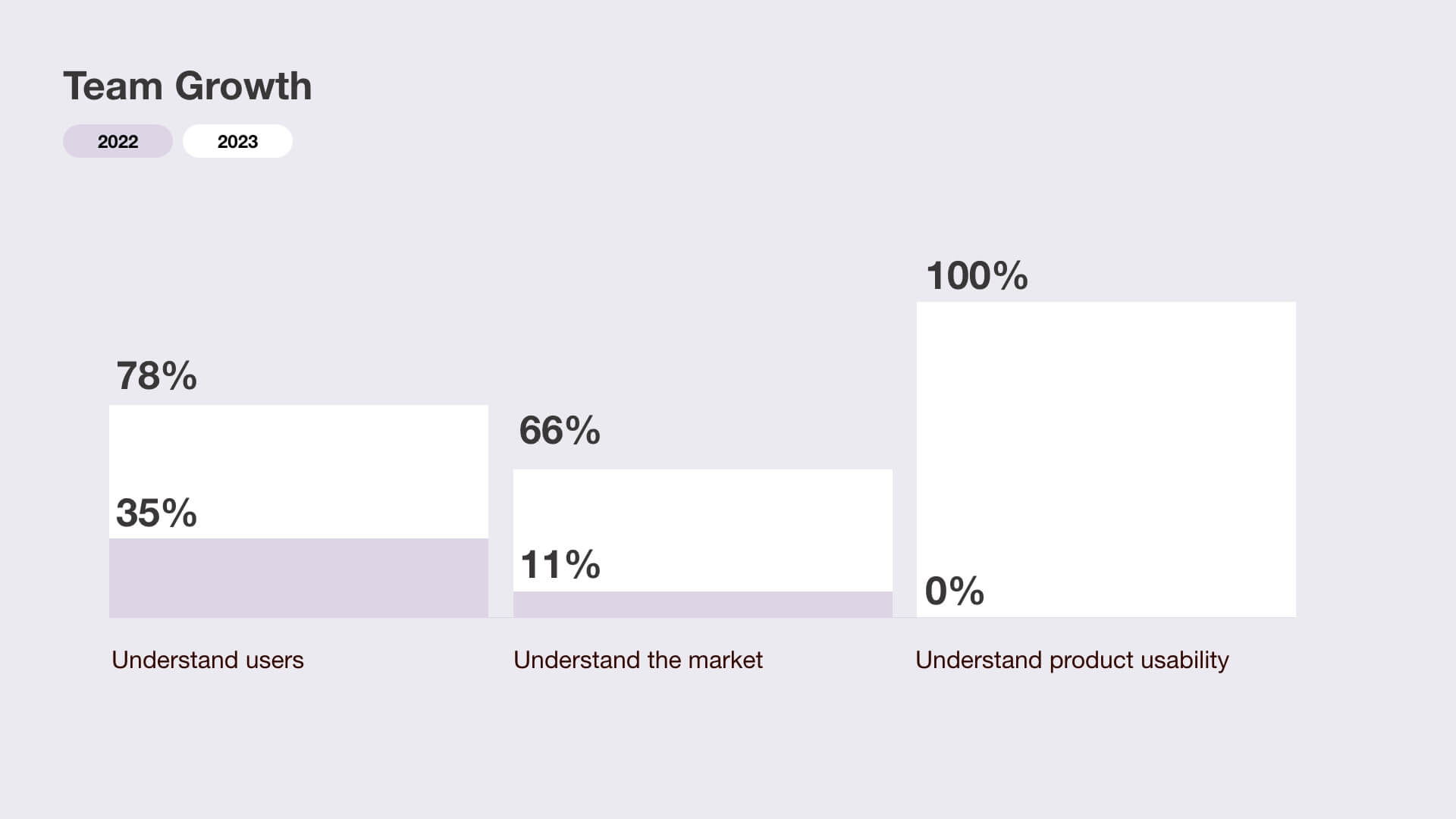
Increase product & team knowledge
Why Growth Hacking?
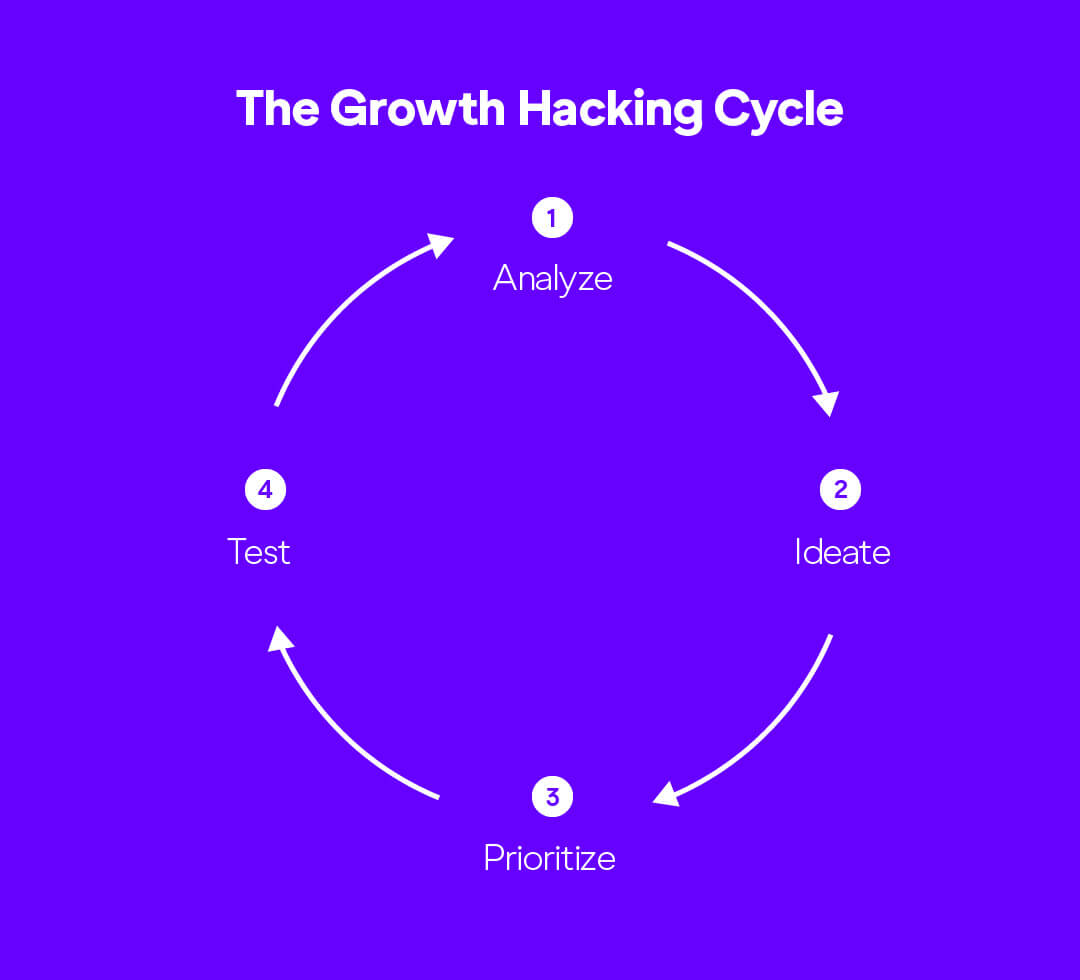
To establish a clear vision and process, I introduced the growth hacking model—a proven approach that fostered a culture of research, data-driven analysis, and focus on a scalable, repeatable grand vision. This method also promoted a lean mindset aimed at maximizing efficiency.
Analyzing by Asking Hard Questions
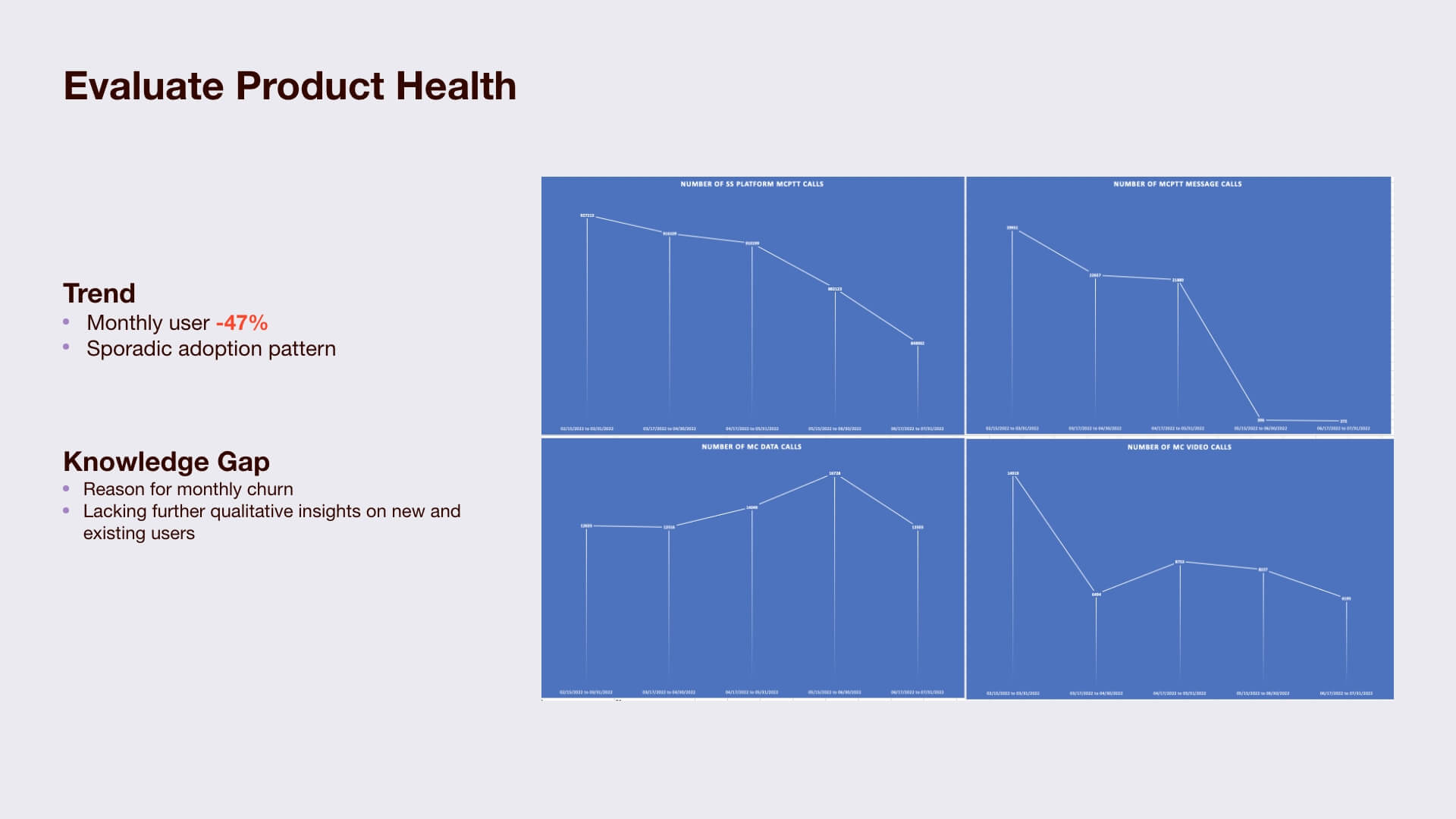
I entered this project with limited knowledge of the field or the product’s performance. After discussions with AT&T stakeholders, it became clear they too had little insight. Although over 6,000 users onboarded in March 2022, most didn’t complete the process and dropped off within six months. Our research revealed a steep churn rate of 47%, leaving only 300 monthly active users by July 2022—a mere 5% of the original cohort. However, the data did not explain the reasons behind this high churn.
Diving Deep
After surveying stakeholder teams, we identified three key gaps and opportunities:
- Unmet core user needs and frustrations
- Unclear market trends and product positioning
- Poor product usability.
Our assessment revealed that the product team lacked a deep understanding of their own product, creating significant blind spots. As a result, the teams made inaccurate assumptions about user needs, leading to the development of features that users found undesirable.
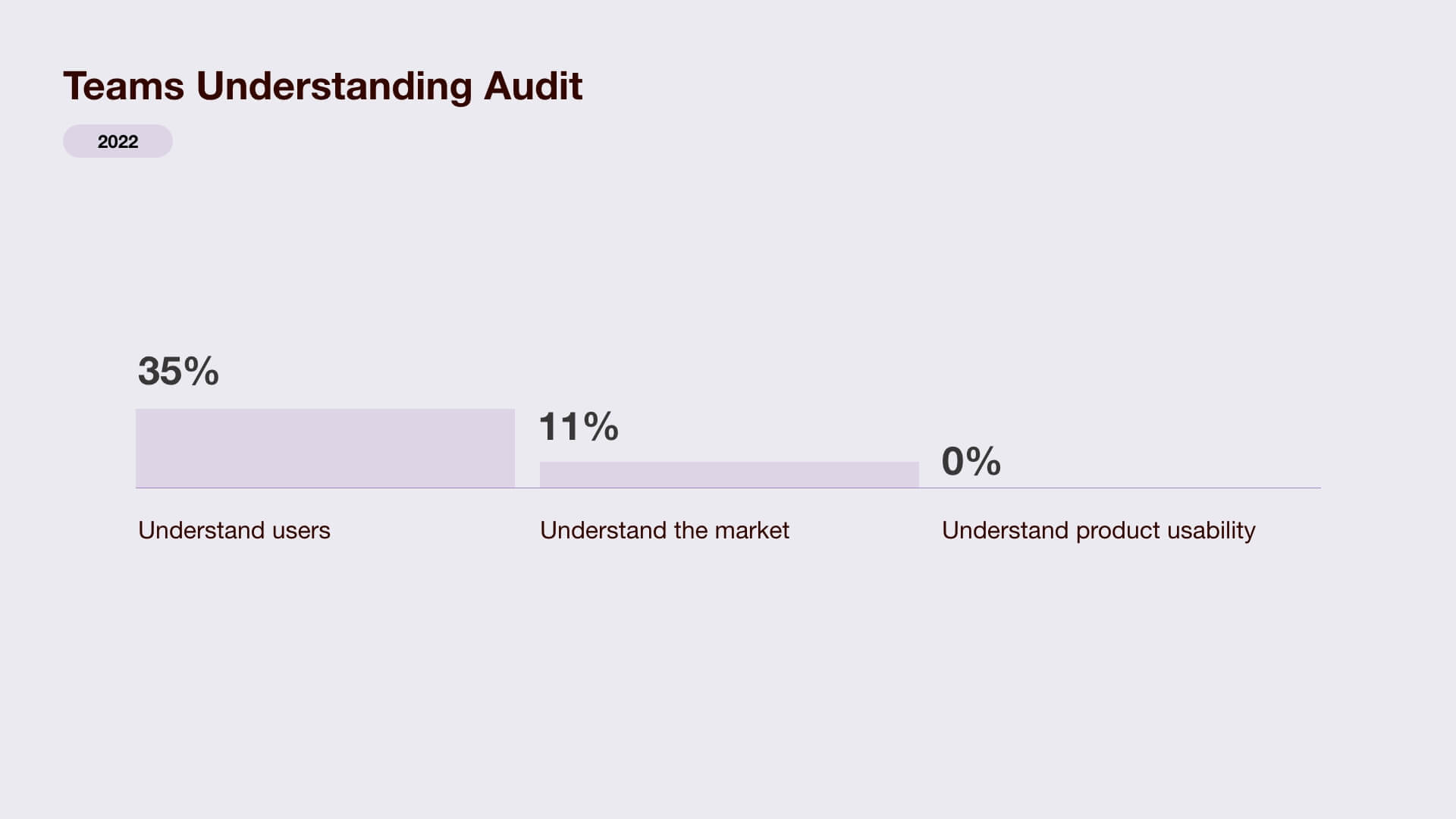
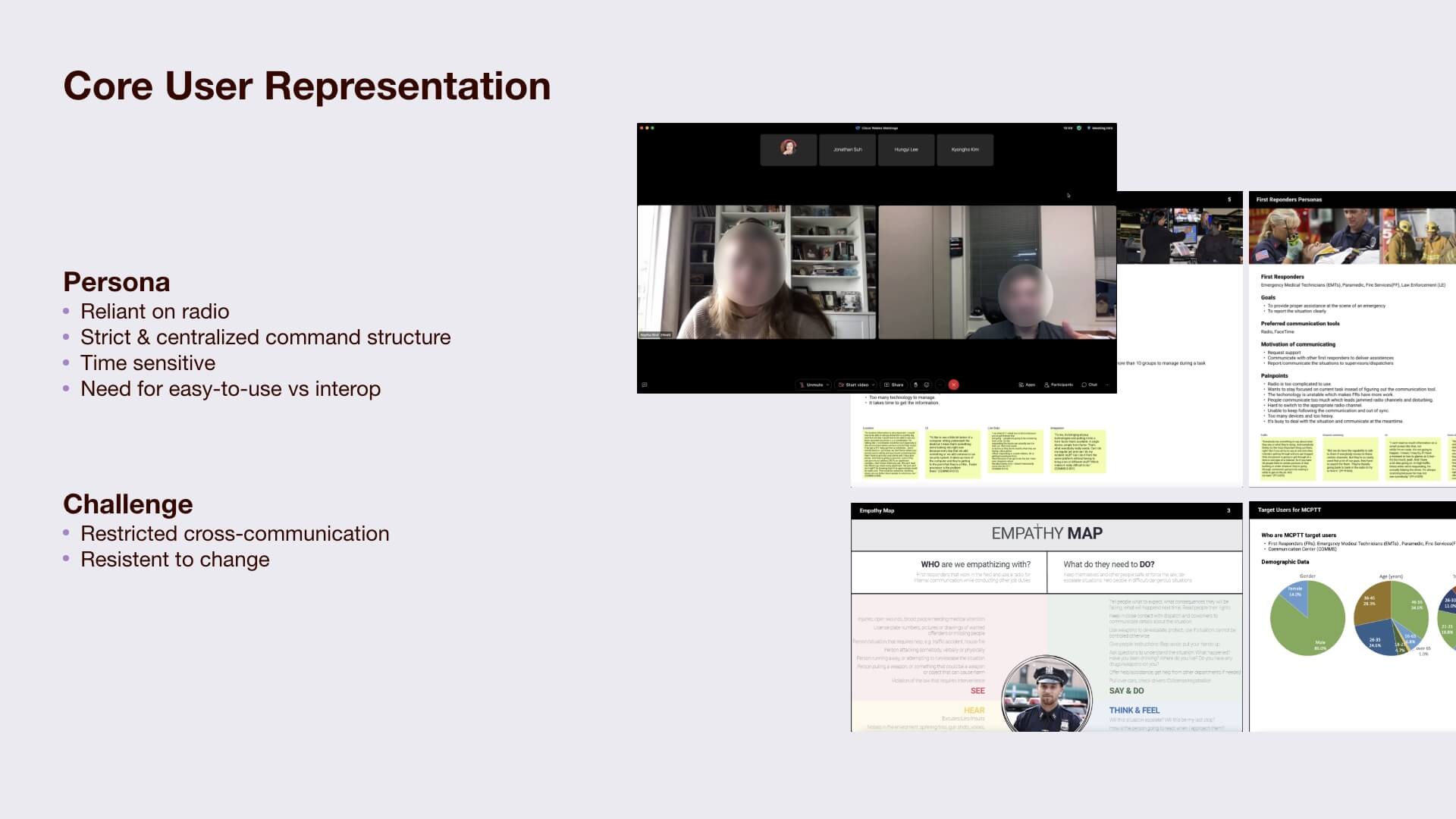
I initiated efforts to deepen product understanding by leading the Analyze phase through a mix of primary and secondary research. I guided the UX team in conducting remote interviews with the Bellevue, Washington Fire Department, while also researching market trends to fill remaining gaps. We then compiled our findings and presented them to AT&T for feedback and further discussion.
Ideating Under Constaints
Over the past five years, AT&T and Samsung strictly followed MCPTT regulatory guidelines, focusing on meeting feature requirements rather than quality. While the UX team still adhered to these guidelines, we layered in human-centered needs informed by our research. Instead of just ticking boxes, we ideated around improving efficiency for existing and upcoming 2023 features. Through a series of workshops, we generated a breath of improvements addressing the frustrations and concerns voiced by current FNPTT users.
Priotizing on the Big Picture
Using the ICE model, I led the UX team to prioritize features from high impact to easy wins, while incorporating the Epic Scale Agile Framework to assess engineering effort. Combining these approaches helped the team address feasibility during stakeholder reviews. Although not all features would be adopted, the team confidently presented a product roadmap shift that tackled key issues and set the stage for the next iteration.
We generated 160+ feature improvement ideas:
- 5 Critical features
- 9 Major features
- 11 Easy wins
Design & Test
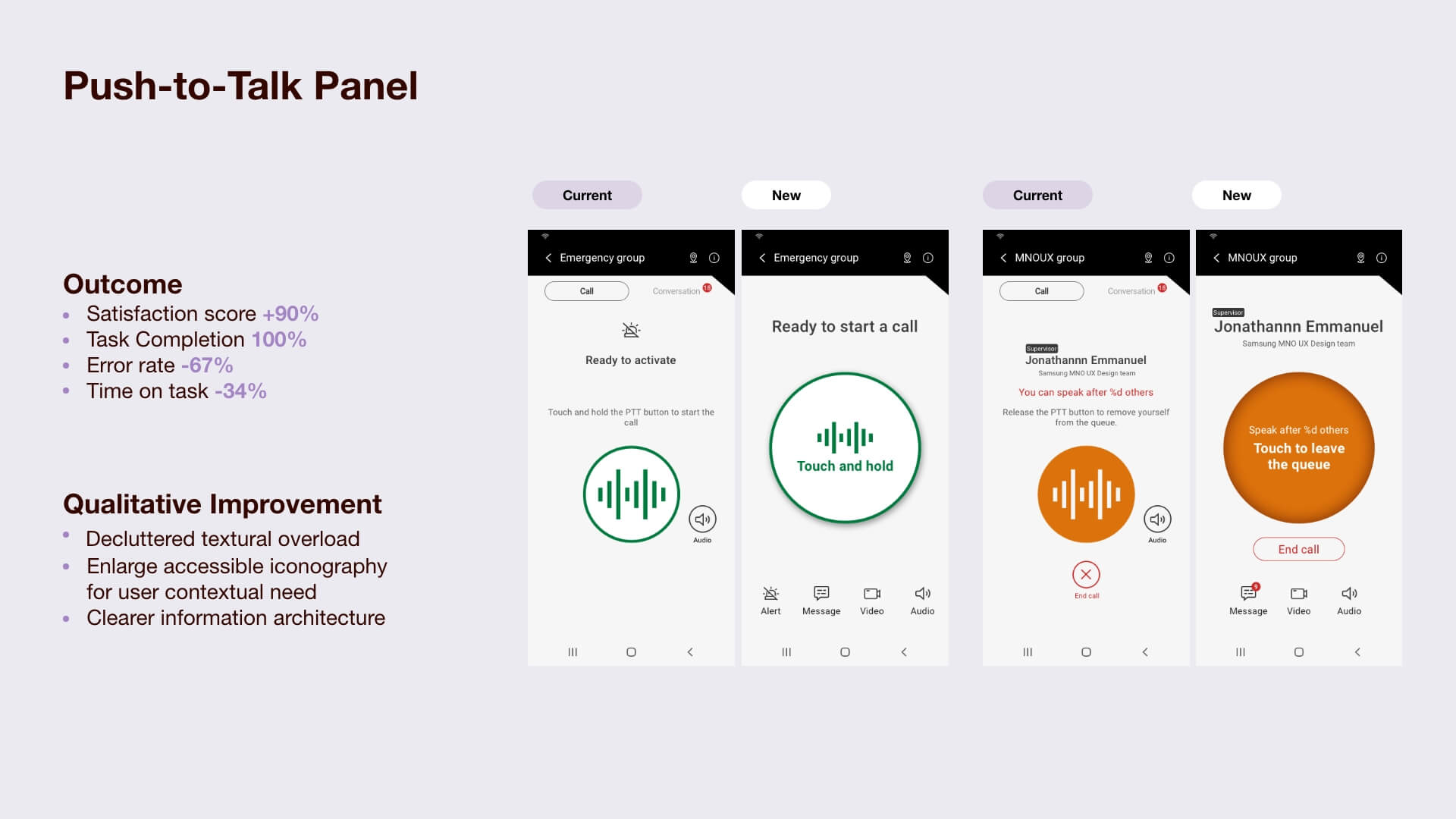
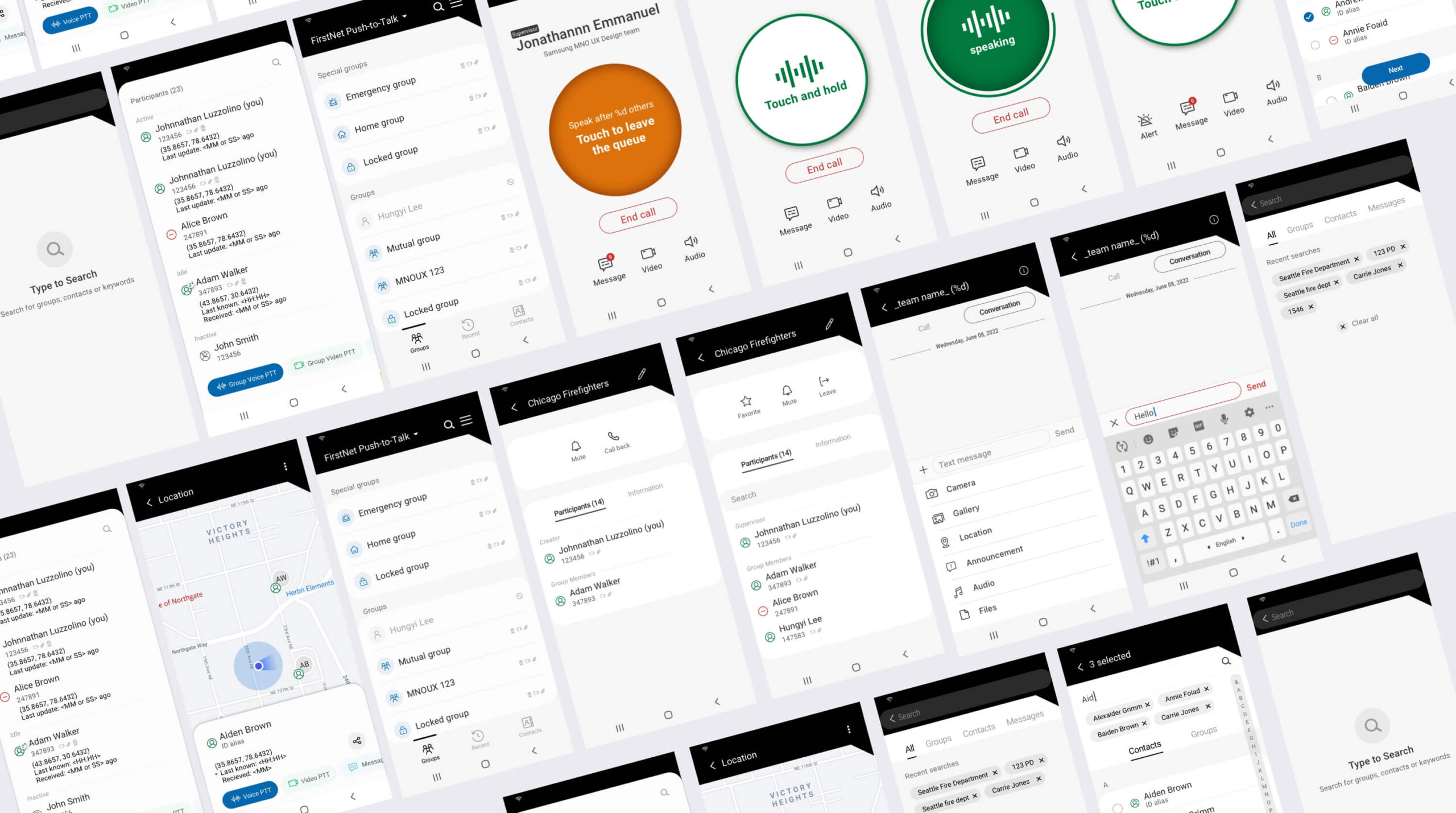
The UX team selected key features to design and test independently. I led twice-weekly group critiques to provide feedback and challenge designers’ thinking, with a strong focus on edge cases to concept-proof ideas. Each designer then conducted usability tests to validate their work, summarizing findings and iterations by sprint’s end. Minor features took one sprint, while major features required two sprints each for design and testing.
Conclusion
The FNPTT project highlighted the critical need for aligning product development with true user needs, moving beyond regulatory compliance and feature checklists. By establishing a research-driven, human-centered approach, we uncovered key gaps in understanding and usability that had hindered adoption and user retention. Through targeted interviews, market analysis, and iterative design workshops, the team generated impactful solutions focused on addressing real frustrations and enhancing user efficiency. Prioritizing these improvements with robust frameworks ensured feasibility and stakeholder alignment, while rigorous usability testing validated our designs across typical and edge-case scenarios.
Overall we generated:
- 1 core user interview with an industry expert
- 7 major data-driven design improvements
- 9 usability design & testing
- Ease of use +82%
- Error rate -14%
- Time on task +82%
- SUS score +60%
We saw significant knowledge growth from stakeholder teams based on our efforts by early 2023. Ultimately, this effort transformed FNPTT’s product roadmap into a user-centric vision poised to drive growth, improve satisfaction, and strengthen its position within the critical first responder communication space. The collaborative process also fostered a culture of continuous learning and innovation, laying the foundation for sustained success in future development cycles.